How to Build a Low-Waste Kitchen That Actually Sticks
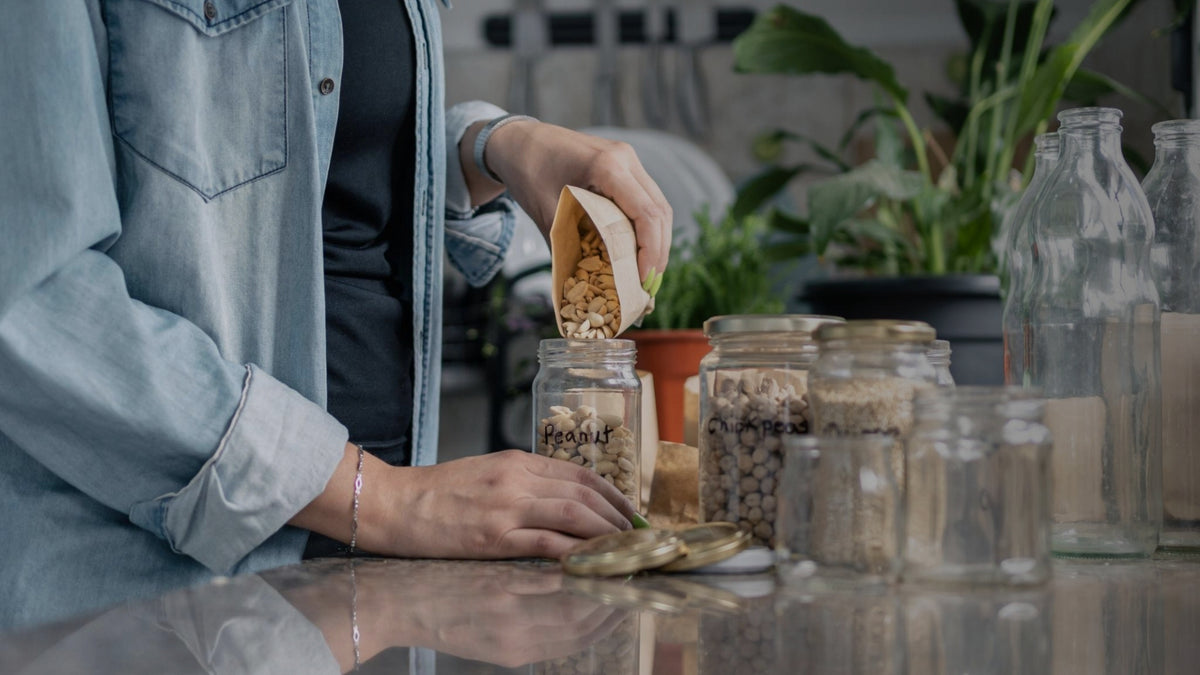
The kitchen produces more household waste than any other room. It is also where new habits die fastest, because everything happens in a hurry. A low-waste kitchen only works if it is convenient, so build it around how you actually cook.
Step one: make the reusable the easy option
Habits follow convenience. Put the silicone bags in the drawer where the baggies used to be. Keep the glass jars at eye level. Hang the produce bags on the same hook as your keys. If the sustainable option takes three extra steps, you will skip it on a busy Tuesday, and busy Tuesdays are most of life.
Step two: fix food storage first
Most kitchen plastic is storage: bags, wrap, disposable containers. Replace the categories one at a time. Silicone bags for the freezer. Jars and terrines for the pantry. Stretch lids and reusable wrap for leftovers. Once storage is solved, the trash bag fills noticeably slower.
Step three: rethink the sink
The sink is a quiet plastic factory: sponges, brushes, and detergent bottles on repeat. Natural fiber sponges and wood-handled brushes do the same work and compost when they wear out. Refillable dispensers and detergent sheets cut the bottle count to nearly zero.
Step four: let the habit spread on its own
Nobody overhauls a kitchen in one weekend and keeps it that way. Change one shelf, live with it, and let the results convince you. In three months the kitchen looks different. In a year it feels strange to go back.